
Blogs
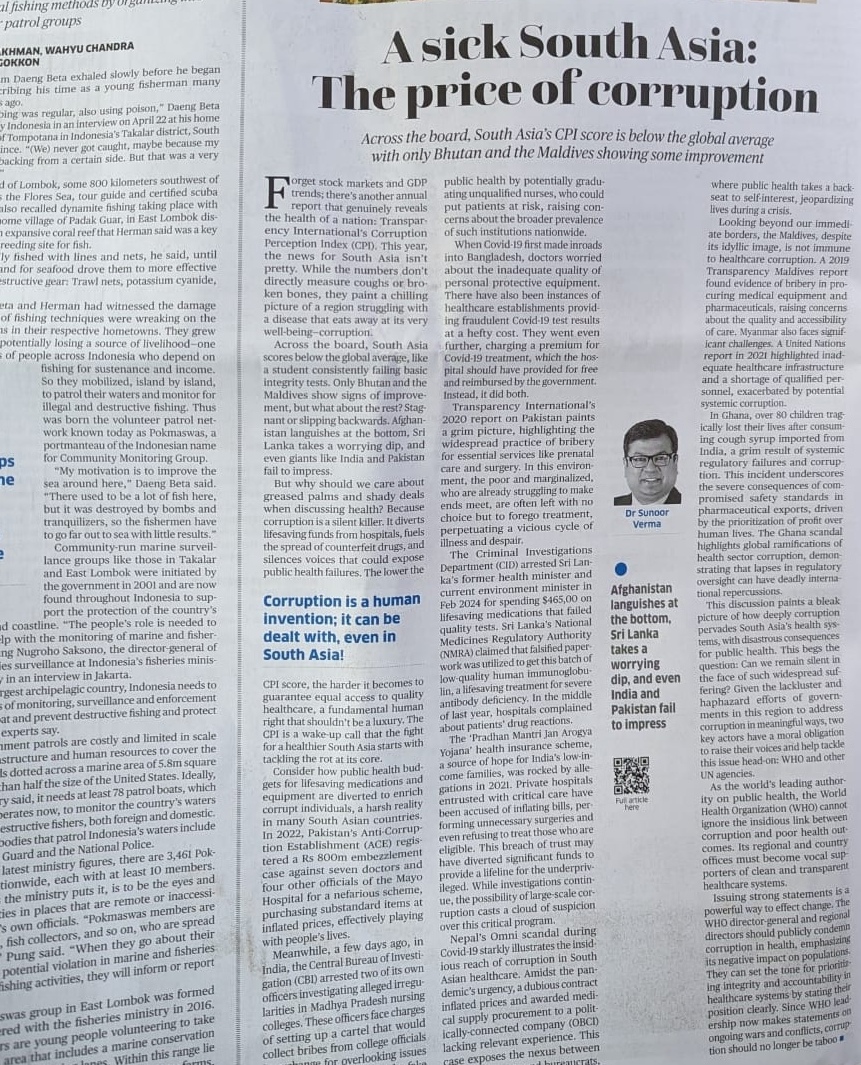
A sick South Asia: The price of corruption
Forget stock markets and GDP trends; there’s another annual report that genuinely reveals the health of a nation:
Corruption Perception Index (CPI). This year, the news for South Asia isn’t pretty. While the numbers don’t directly measure coughs or broken bones, they paint a chilling picture of a region struggling with a disease that eats away at its very well-being – corruption., like a student consistently failing basic integrity tests. Only show signs of improvement, but what about the rest? Stagnant or slipping backwards.
Consider how public health budgets for lifesaving medications and equipment are diverted to enrich corrupt individuals, a harsh reality in many South Asian countries. In 2022, Pakistan’s Anti-Corruption Establishment (ACE) registered a Rs 800 million embezzlement case against seven doctors and four other officials of the Mayo Hospital for a nefarious scheme, purchasing substandard items at inflated prices, effectively playing with people’s lives.
Meanwhile, a few days ago, in India, the Central Bureau of Investigation (CBI) arrested two of its own officers investigating alleged irregularities in Madhya Pradesh nursing colleges. These officers are accused of setting up a cartel that would collect bribes from college officials in exchange for overlooking issues and granting clean chits. The fake nursing college scandal in Madhya Pradesh, India, undermines public health by potentially graduating unqualified nurses who could put patients at risk, raising concerns about the broader prevalence of such institutions nationwide.
When COVID-19 first arrived in adjacent Bangladesh, doctors worried about the inadequate quality of personal protective equipment. There have also been instances of healthcare establishments providing fraudulent COVID-19 test results at a hefty cost. They went even further, charging a premium for Covid-19 treatment, which the hospital should have provided for free and reimbursed by the government. Instead, it did both.
2020 report on Pakistan paints a grim picture, highlighting the widespread practice of bribery for essential services like prenatal care and surgery. In this environment, the poor and marginalized, who are already struggling to make ends meet, are often left with no choice but to forego treatment, perpetuating a vicious cycle of illness and despair.
The Criminal Investigations Department (CID) arrested Sri Lanka’s former health minister and current environment minister in February 2024 for spending $465,00 on lifesaving medications that failed quality tests. Sri Lanka’s National Medicines Regulatory Authority (NMRA) claimed that falsified paperwork was utilized to get this batch of low-quality human immunoglobin, a lifesaving treatment for severe antibody deficiency. In the middle of last year, hospitals complained about patients’ drug reactions.
The ‘Pradhan Mantri Jan Arogya Yojana’ health insurance scheme, a source of hope for India’s low-income families, was rocked by allegations in 2021. Private hospitals entrusted with critical care have been accused of inflating bills, performing unnecessary surgeries, and even refusing to treat those who are eligible. This breach of trust may have diverted significant funds to provide a lifeline for the underprivileged. While investigations continue, the possibility of large-scale corruption casts a cloud of suspicion over this critical program.
Nepal’s Omni scandal during COVID-19 starkly illustrates the insidious reach of corruption in South Asian healthcare. Amidst the pandemic’s urgency, a dubious contract inflated prices and awarded medical supply procurement to a politically connected company (OBCI) lacking relevant experience. This case exposes the nexus between politics, business, and bureaucrats, where public health takes a backseat to self-interest, jeopardizing lives during a crisis.
Looking beyond our immediate borders, the Maldives, despite its idyllic image, is not immune to healthcare corruption. A 2019 Transparency Maldives report found evidence of bribery in procuring medical equipment and pharmaceuticals, raising concerns about the quality and accessibility of care. Similarly, Myanmar faces significant challenges. A United Nations report in 2021 highlighted inadequate healthcare infrastructure and a shortage of qualified personnel, exacerbated by potential systemic corruption.
In Ghana, over 80 children tragically lost their lives after consuming cough syrup imported from India, a grim result of systemic regulatory failures and corruption. This incident underscores the severe consequences of compromised safety standards in pharmaceutical exports, driven by the prioritization of profit over human lives. The Ghana scandal highlights the global ramifications of health sector corruption, demonstrating that lapses in regulatory oversight can have deadly international repercussions.
This discussion paints a bleak picture of how deeply corruption pervades South Asia’s health systems, with disastrous consequences for public health. This begs the question: can we remain silent in the face of such widespread suffering? Given the lacklustre and haphazard efforts of governments in this region to address corruption in meaningful ways, two key actors have a moral obligation to raise their voices and help tackle this issue head-on: WHO and UN agencies.
ambivalence on corruption and reluctance to highlight how privatization of health services harms public health outcomes has not helped either. The evidence for this correlation has long been available, but there has been no effective advocacy by the global custodian of health. South Asian lawmakers and their families frequently own private hospitals, medical colleges, nursing homes, and schools. It is clear where they would stand in the privatization of health debate.
should advocate, in particular, with those international finance institutions constantly pushing for lower public-sector health spending and see privatization as the first line of treatment for failing healthcare systems.
enters into three to five-year country cooperation agreements with host governments to outline the agreed-upon work plan. Corruption in the healthcare sector should be a vital component of this agreement with allocated funds. Without this, the #Afghanistan #Bhutan #Bangladesh #Maldives #Myanmar #Nepal #Pakistan #SriLanka #India #Corruption #Health #WHO #UN #South Asia #Transparency #GobalHealth #GlobalHealthDiplomacy

“You? A man?” – A conversation on menopause in Kathmandu
was, walking into the meeting hall for the ‘s “Menopause to Meno-peak” seminar, when I bumped into an acquaintance. Her greeting was as blunt as it was good-natured: “You? A man? On a menopause panel?” A fantastic start, I thought, for the lone male panelist on an all-star female team, especially considering the topic!
But any initial awkwardness melted away when I met my co-panelists. Ani Choying Drolma, the world-famous Buddhist Singing Nun, and The audience was just as inspiring—a diverse mix of activists, policymakers, politicians, lawyers, health experts, and media of all ages and genders. Their questions during the Q&A session were as sharp as they were insightful, sparking a truly dynamic exchange.
One particularly powerful moment came when Ani Choying Drolma shared her experiences with menopause. In many countries, faith and sexual and reproductive health are seen as opposing concepts. Ani’s courage in speaking openly highlighted the critical need for bridges between these areas. Her talk was a call to action, paving the way for partnerships to empower women on a deeper level.
The complexities of menopause and Nepal’s unique socio-economic context led to some interesting discussions about potential solutions. When invited to share my thoughts, here is what I offered at different levels on the way forward. Some short-term and some more long-term:

India's 2024 election: Seven promising trends
The Indian general elections of 2024, as always, are a spectacle of democracy on an epic scale. Here are seven remarkable trends that give me much hope as a citizen:
, India experienced good voter turnout over the summer months, with a considerable rise in participation from young people and first-time voters. This demonstrates a dynamic and engaged electorate eager to shape the country’s destiny. Young voters’ passion, in particular, indicates strong democratic involvement and a generational shift in political understanding and activism. The correlation between high temperatures and voter turnout is being studied and will hopefully guide future election scheduling.
, the 2024 Indian elections were a technological miracle, demonstrating how cutting-edge innovations can strengthen the democratic process and make it more transparent, secure, and efficient. Blockchain technology was used for voter registration for the first time, making it safe and tamper-proof. This enables voters to check their registration status using a blockchain-based app, preventing voting fraud. AI was also essential for election monitoring. AI algorithms analysed social media in real-time to flag disinformation and hate speech, ensuring a fair and peaceful election. AI-powered facial recognition confirmed voter identities at polling stations, speeding up and decreasing impersonation. Each polling location used electronic voting devices with voter-verifiable paper audit trails. This combination allows voters to validate their vote using a paper slip, improving electronic voting transparency and trust.
, these elections marked a significant step towards inclusivity, with a notable increase in women and candidates from marginalized communities contesting seats. According to the Election Commission of India, the number of women candidates rose 10% compared to the previous election. Moreover, candidates from Scheduled Castes, Scheduled Tribes, and other marginalized communities made significant inroads, highlighting a shift towards a more inclusive political landscape that better reflects India’s diverse demographic composition.
, the 2024 elections marked a groundbreaking shift towards environmental consciousness, making them the greenest in the nation’s history. The effort to reduce the environmental impact was evident across various facets of the electoral process. Political parties embraced digital platforms, significantly cutting down on paper use. Social media, mobile apps, and SMS campaigns replaced traditional posters, pamphlets, and flyers, drastically reducing the carbon footprint. When physical materials were necessary, eco-friendly alternatives took centre stage. Biodegradable banners, recyclable pamphlets, and natural dye inks became the norm. Several parties distributed seed paper pamphlets that voters could plant, symbolizing growth and sustainability.
Solar panels and other renewable energy sources powered polling stations, especially in remote areas. This ensured reliable power and underscored a commitment to sustainable practices. Campaign travel and logistics significantly shifted towards electric vehicles (EVs). Political leaders and campaign teams used EVs to minimize carbon emissions. Public transport incentives further supported this move, including discounted fares on election day for voters using electric taxis and buses.
, these elections made remarkable strides in ensuring every eligible voter could exercise their right to vote, regardless of physical ability or location. With about 2.21% of the population living with disabilities and many more facing mobility challenges, these efforts were crucial. The Election Commission of India took comprehensive measures to facilitate voting for people with disabilities, senior citizens, and those in remote areas. Mobile polling stations reached distant locations, and accessible voting equipment, like braille-enabled EVMs and ramps, became more common. India’s rapidly improving infrastructure played a key role. Better all-weather roads, enhanced public transportation networks, and wheelchair-accessible taxis made reaching polling stations easier for voters with mobility challenges. All these reflect a commitment to an inclusive democracy and set a new benchmark for accessibility and participation in the electoral process.
, despite ongoing tensions and disturbances in some parts, the 2024 Indian elections were largely peaceful, with minimal incidents of violence or disruption. This success is a testament to the dedication and bravery of India’s invisible administrative personnel and security servicemen and women. Their effective planning and coordination with law enforcement agencies ensured the elections could proceed smoothly, even in volatile areas. These unsung heroes worked tirelessly, often behind the scenes, to maintain peace and order, allowing voters to exercise their democratic rights safely. Ensuring that these services remain non-political, are incentivised appropriately and recognised is critical for the country’s democracy.
, the 2024 elections in India showcased the remarkable impact of having a stable majority government, leading to enhanced efficiency and effectiveness across various sectors. This was evident in how all ministries utilized their platforms, communication channels, and capabilities to the fullest to encourage voter participation, turning the elections into a grand celebration of democracy. In contrast, in India’s experience and neighbourhood, coalition governments often result in two steps forward and two steps back, if not three, due to their inherent instability and conflicting interests. The synergy between the government and corporate sector in driving voter education campaigns in 2024 also exemplifies how a stable government can enhance national initiatives, contributing to the vibrancy of India’s democracy.
Highlighting the positive aspects of India’s 2024 elections, the essence of “Sarvam Parartha Samgraha” rings true—’gather all learning for the greater good’. Despite the high transaction cost, especially for a diverse subcontinent-sized nation, India consistently bets on democracy in its long-term strategy. With innovation and a steadfast commitment to democratic values, the lessons from the 2024 elections can strengthen democracy in India and Bharat for generations to come.
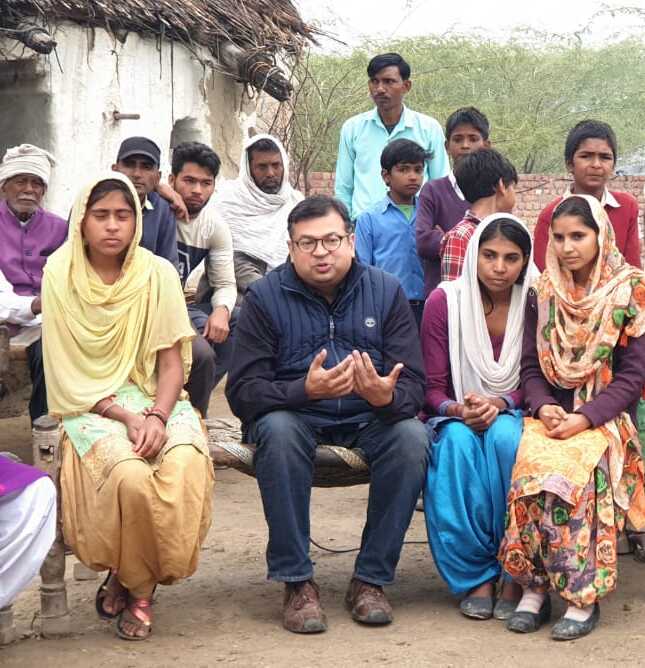
Seven troubling trends in Indian elections 2024
As India votes in the 2024 elections, seven alarming trends that transcend party lines threaten the core of its democratic values and reflect systemic problems within the political sphere.
One of the most alarming tendencies in Indian politics today is accepting corruption as a necessary transaction cost.
Campaign conversations now revolve around the ‘decent’ per cent of kickbacks, indicating a broad acceptance of corruption. Across party lines, all major political parties have benefited from the electoral bonds system’s lack of transparency, which permits unlimited and anonymous donations, creating an environment conducive to corruption. Furthermore, recent corruption scandals involving officials from several political parties demonstrate the bipartisan nature of corruption.
Another alarming trend is the widespread acceptability of violence against women, both within and outside political parties. For example, India’s decorated female wrestlers protested harassment and sexual assault by a prominent politician by sitting on the pavements of Delhi for 4 months, 4 weeks and 1 day, before any serious inquiry was set up. Similarly, the tragic episode in Manipur in which women were paraded naked, as well as the big sex and video scandal in the opposition-ruled Karnataka state, highlight this troubling tendency. Furthermore, the current example of a female parliamentarian being allegedly abused at the home of Delhi’s Chief Minister, who also leads the country’s newest political party, highlights the rot. The absent or at best lethargic response of politicians to allegations of abuse by women showcases the systemic nature of the problem. Tragically this widespread acceptance of abuse stands in stark contrast to the hyper-targeted election campaigns by all parties vying for women’s votes.
Perhaps the most depressing trend is omitting critical nation-building issues like education, healthcare, and employment from the current election discourse. These fundamental issues are overlooked mainly by divisive rhetoric and populist promises. For example, in areas such as Uttar Pradesh and Bihar, political campaigns usually centre on caste and religion rather than tackling severe deficiencies in educational facilities and healthcare services. Similarly, in Maharashtra, while political disputes frequently revolve around regional identity and linguistic issues, the state continues to face farmer suicides and rural unemployment.
Despite electoral losses, Rahul Gandhi and Priyanka Gandhi Vadra remain influential in the Indian National Congress (INC). Regional dynastic politics is seen in Uttar Pradesh’s Samajwadi Party (SP), led by Mulayam Singh Yadav’s son Akhilesh. The Karunanidhi family controls Tamil Nadu’s Dravida Munnetra Kazhagam (DMK), with M.K. Stalin ruling after his father.
Not only established parties are affected. The Maharashtra Shiv Sena is likewise a family affair, with Uddhav Thackeray succeeding his father, Balasaheb Thackeray, and now his son, Aaditya. In Andhra Pradesh, the Reddy family dominates the Yuvajana Sramika Rythu Congress Party (YSRCP), with Y.S. Jagan Mohan Reddy trying to emulate his father. While the BJP has often criticized other parties, particularly the Congress, for dynastic politics, it has not been immune to the same practices. Nepotism within the BJP can be seen as a strategic move to consolidate power and ensure loyalty within the party ranks.
Indian politicians in power and opposition, frequently seek endorsements from abroad to validate their actions and ideas. This craving for international approval is evident in their eagerness to speak at prestigious universities and their emphasis on statements by world leaders that praise their initiatives. These are then highlighted in domestic media, projecting an image of global respect and intellectual recognition. However, this pursuit of international validation can obscure pressing domestic issues. Indian politicians’ reliance on foreign endorsements can divert attention from the critical issues that require urgent and sustained focus.
MLAs’ repeated floor-crossing has caused substantial political instability and governance issues in some states. This erosion of ideological loyalty erodes public trust and threatens the integrity of democratic institutions as voters increasingly struggle to rely on their elected leaders’ professed ideals.
The Sanskrit term Ātmānaṃ viddhi, or ‘Know thyself’, highlights the significance of deep self-awareness and introspection. It encourages a journey inside to find one’s actual nature and purpose. Perhaps Ātmānaṃ viddhi should be the united minimum programme of all political parties in India.
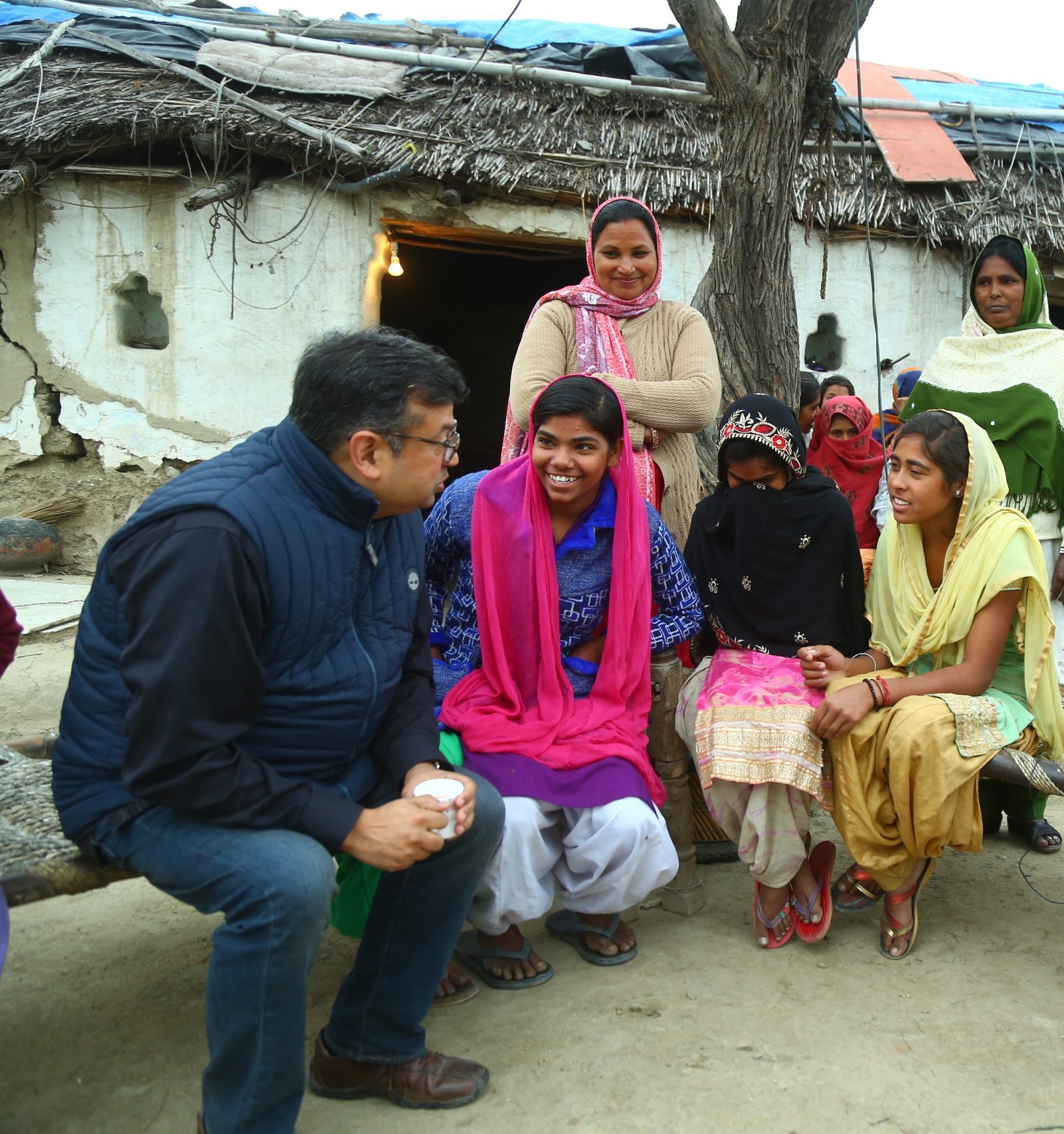
Holding leader's feet to the for women's empowerment
On International Women’s Day, leaders send hollow tweets, posts, and messages praising women’s empowerment. Cut through the noise and get to the point: are these leaders keeping their promises or faking them? When a male or female leader broadcasts a flowery message about women’s empowerment, ask them to answer my questions and then judge them. People say the proof is in the pudding.
Organizational leaders should report women’s representation across levels and answer why these percentages are low. Annual gender representation goals should be publicly posted. And feature in the annual corporate reports.
Act on wage equity instead of talking about it. Organizational leaders must disclose gender pay audits that identify and address discrepancies. Regulations like wage bands and standardized pay scales can reduce unconscious bias in compensation talks. Anything less is unacceptable.
Leaders must show they recruited diverse talent fairly and inclusively. Blind recruitment methods and diversity training for hiring managers prevent unconscious bias in the selection process. Furthermore, leaders should publicly state that they aggressively attract female leaders through focused recruitment.
Leaders must show they recruited diverse talent fairly and inclusively. Blind recruitment methods and diversity training for hiring managers prevent unconscious bias in the selection process. Furthermore, leaders should publicly state that they aggressively attract female leaders through focused recruitment.
Leaders who prioritize menstruation, nursing, and menopausal facilities show they understand and are committed to women’s unique challenges. Before offering free condoms in office restrooms, provide women’s hygiene products. Menstruation is not voluntary, but sex is!
Senior and sufficient women in any organizational redressal committee are essential for fair and successful workplace issue resolution. They are not just a matter of tokenism but a strategic need for workplace respect and accountability.
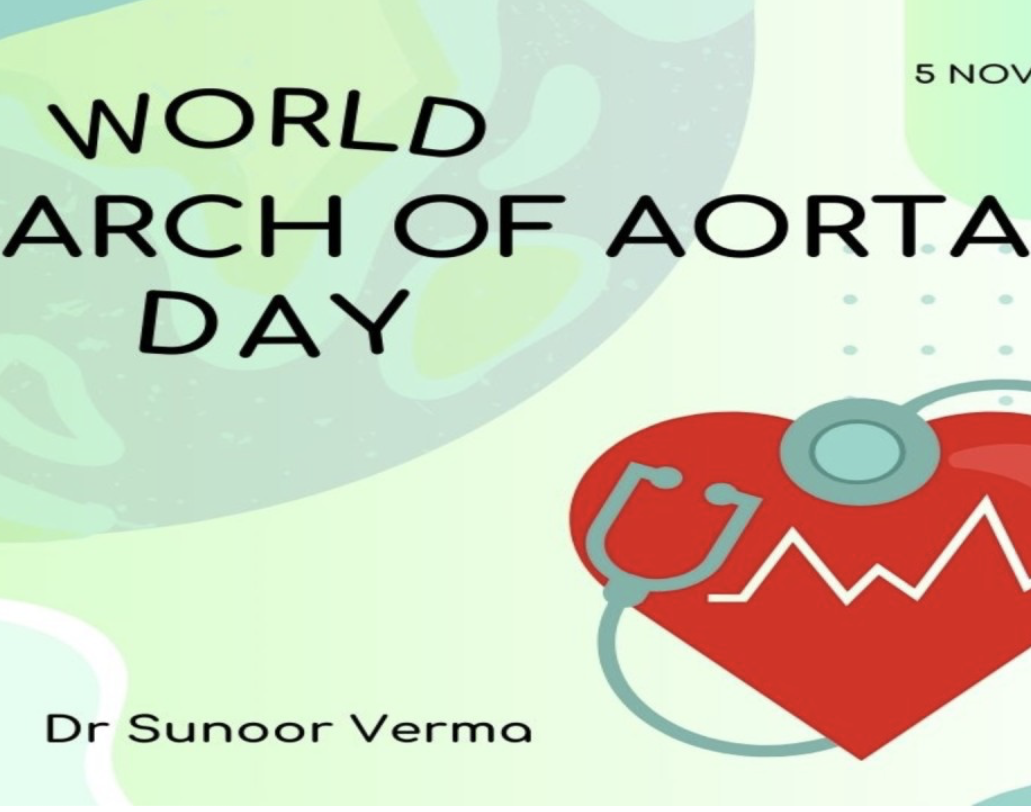
Happy Arch of the Aorta Day
In the wake of the COVID-19 pandemic, we witnessed an unprecedented surge in health communication efforts aimed at educating and mobilizing the public. While the importance of such #healthcommunication cannot be understated, there’s a growing concern of “health communication fatigue” as we risk overloading the public with information. In this article, I will explore the challenges of communication fatigue and offer strategies to ensure our messages effectively achieve public health objectives.
Much like the indiscriminate use of antibiotics can lead to unintended consequences, over-communicating health messages without a strategic approach can render our communication efforts ineffective. In the early days of the pandemic, organizations like
Indeed, it’s time to address the ever-expanding plethora of health days. We’ve come a long way from marking general health awareness days, and it seems like we’re on the brink of celebrating the “World Day of the Right Kidney” or perhaps the “Day of the Arch of the Aorta.” While raising awareness about specific diseases, organs, and behaviours is crucial, we must strike a balance. The constant barrage of dedicated days can dilute the impact and lead to a sense of exhaustion among the public. We must prioritize key health issues, combining awareness with concrete actions. Let’s not forget that meaningful change in public health is more about sustainable, well-thought-out strategies than having a day for every tiny medical detail. After all, there’s only so much room on the calendar, and we should use it wisely to ensure our messages hit home effectively.
#BehaviouralScience offers compelling insights into #MessageFatigue resulting from overcommunication. The human brain is inherently wired to adapt and filter information to efficiently process an overload of stimuli. When individuals are consistently bombarded with health messages and information, their attention span wanes, and their receptivity to new messages diminishes. This concept is known as habituation, a fundamental principle in psychology. When people encounter the same information repeatedly without novelty or a clear call to action, they become desensitized, rendering subsequent messages less effective. Additionally, cognitive load theory highlights that excessive information can overwhelm the brain’s limited mental resources, decreasing message retention and comprehension. To combat #messagefatigue, it is essential to apply behavioural science principles, such as novelty, relevance, and clarity, in health communication strategies, ensuring that messages are frequent, engaging, resonant, and actionable.
The primary challenge is balancing the need for information dissemination and the risk of communication fatigue. To do this effectively, we must prioritize and strategically choose critical health days for communication. Rather than inundating the public with continuous events and messages, we should focus on a select few that have the most significant impact in the context of each country’s morbidity and mortality data.
Similarly, before choosing the health day to mark and encourage the population to take action, check if you have created the necessary infrastructure and trained the health staff. Only talking and having no facilities supporting action will reduce the audience’s trust in you as a communicator. Let’s take a page from the Singaporean playbook, a country celebrated for its strategic approach to health campaigns. Unlike the chaotic flurry of information that can overwhelm public health communication efforts, Singapore opts for a more measured strategy. They first build the necessary infrastructure, invest in training their healthcare staff, and only then launch well-thought-out health campaigns. This method ensures that the communication aligns with the country’s capabilities and resources. For instance, their successful ‘War on Diabetes’ campaign was launched after setting up a nationwide system for diabetes prevention, care, and treatment. It’s a testament to how governments can measure health communication, focusing on sustainable actions over flashy announcements.
For low-income countries heavily reliant on foreign aid, public officials may focus excessively on marking health days prioritized by donors. This diverts their attention from core responsibilities and risks undermining domestic ownership and sustainability. Striking the right balance is essential and requires local health leadership to have a spine and be incorruptible.
#StrategicHealthCommunication is critical, especially in low-income nations with limited resources. It involves profoundly understanding the local context, target audience, and the cultural factors affecting health behaviours. Effective strategies include audience analysis, evidence-based messaging, channel selection, deliberate message distribution, and rigorous monitoring and evaluation
Ageing & travel: The policy-practice gap
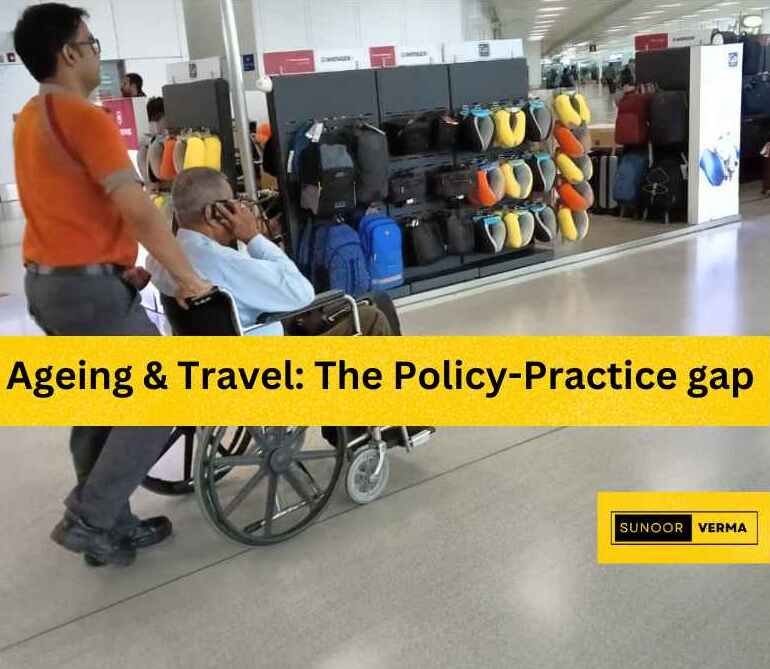
I had come to see off my eighty-four-year-old uncle, who\ uses a wheelchair at Kathmandu’s Tribhuvan International Airport. He was flying to New Delhi. We had chosen to fly him with India’s premier airline,\
Kathmandu airport has two business lounges – the one managed by Radisson Hotel is a twenty-odd-step climb on the first floor. There are no elevators. Soltee Hotel operates the second lounge, which is on the ground floor. While the airline had booked a wheelchair for my uncle, it invited him to the first-floor lounge as it only had an agreement with the Radisson lounge. Forty minutes of discussion with three staff levels later,
finally agreed to make an exception and allow him to the ground floor lounge. Had I not persevered, my uncle would have been denied using a lounge he was entitled to because of his #age and #disability.had not used the prism of disability and ageing when deciding to make an exclusive contract with one lounge, while other international airlines operating out of Kathmandu hedge their bets and let passengers choose a lounge.Making policies and guidelines on disability and #ageing requires complex-multidimensional #advocacy and leadership communication. Ideally, the organizations would have an ageing and #disability focal point that would be empowered enough to examine all client-facing decisions of the organization through the ageing and disability lens. The Human Resources heads need to ensure that in their induction programs, disability and ageing are featured in the curricula.
Clearly articulated leadership communication on a company’s commitment to creating inclusive products is a must and needs to be frequently repeated. There are, of course, trailblazers-
, has spoken publicly about his commitment to making Microsoft products and services accessible to everyone. He believes that people with disabilities can significantly contribute to the workplace. Similarly, , has said that her firm is committed to creating a culture of equality where everyone can advance and thrive and making its products and services accessible.Soon, more airlines and airport operators will realize the economic imperative of using the ageing lens in business decisions. predicts that the number of people aged 65 years and older will increase from 1 billion in 2020 to 1.6 billion in 2050. Similarly, the number of older adults who travel internationally will increase from 100 million in 2015 to 260 million in 2030.Growing up, I have known my uncle as a confident person whose wit and swift decision-making always got him out of any tight spot. He has been a sportsman for the better part of his life. However, with age, I see irreversible changes which make airports and flights a challenge, especially when travelling alone.#Airports can be large and complex, with long distances, confusing signage, and crowds. Elderly passengers may have difficulty finding their way around, especially if unfamiliar with the airport. Trust in the person pushing your wheelchair is critical for not getting an anxiety attack. A pleasant surprise was the Special Assistance staff at Delhi’s IGIA airport. The gentleman pushing the wheelchair was experienced in dealing with elderly passengers and showed patience and compassion at every stage of the journey. This highlights the importance of appropriately recruiting and training staff dealing with elderly passengers.It is important to note that the needs of elderly passengers can vary depending on their circumstances. Airports and Airlines should be prepared to work with elderly passengers to identify and address their individual needs and train their staff to deal with elderly passengers. This includes training on how to identify and address the needs of elderly passengers and provide them with the best possible service.both recognize the importance of travel for older adults. Travel can allow older adults to stay active, learn new things, and connect with loved ones. However, it is crucial for older adults to be aware of the challenges they may face when travelling and to take steps to mitigate those risks.There are several things that older adults can do to prepare for travel, including:

Navigating menopause at work: A vital conversation
The gap between the global South and the global North is widening in mainstreaming #menstruation in public discourse. Conversations about menstruation are only now emerging from the shadows of stigma and taboo in many parts of the global South. It is still difficult for people in these areas to access menstrual hygiene products, adequate sanitation facilities, and menstrual education. For example, Women and girls in sub-Saharan Africa and South Asia often resort to using inadequate materials like rags, leaves, or even cow dung to deal with their periods. Health problems, missed days of work or school, and feelings of isolation worsen when people aren’t given the tools they need to succeed.
The global North has made progress in normalizing menstruation. Many North American and European countries encourage menstruation discussions in homes, schools, and the workplace. The UK and several European countries have menstrual leave rules that allow workers to take paid absence for severe period symptoms. People in the US are fighting to end the “pink tax” on period goods, and more companies are discussing menstrual health with their staff. Development, access to resources, and cultural attitudes about menstruation contribute to this North-South gap, emphasizing the need for global menstrual health and hygiene fairness.The global North has made progress in normalizing menstruation. Many North American and European countries encourage menstruation discussions in homes, schools, and the workplace. The UK and several European countries have menstrual leave rules that allow workers to take paid absence for severe period symptoms. People in the US are fighting to end the “pink tax” on period goods, and more companies are discussing menstrual health with their staff. Development, access to resources, and cultural attitudes about menstruation contribute to this North-South gap, emphasizing the need for global menstrual health and hygiene fairness.
The global North has made progress in normalizing menstruation. Many North American and European countries encourage menstruation discussions in homes, schools, and the workplace. The UK and several European countries have menstrual leave rules that allow workers to take paid absence for severe period symptoms. People in the US are fighting to end the “pink tax” on period goods, and more companies are discussing menstrual health with their staff. Development, access to resources, and cultural attitudes about menstruation contribute to this North-South gap, emphasizing the need for global menstrual health and hygiene fairness.
The global North has made progress in normalizing menstruation. Many North American and European countries encourage menstruation discussions in homes, schools, and the workplace. The UK and several European countries have menstrual leave rules that allow workers to take paid absence for severe period symptoms. People in the US are fighting to end the “pink tax” on period goods, and more companies are discussing menstrual health with their staff. Development, access to resources, and cultural attitudes about menstruation contribute to this North-South gap, emphasizing the need for global menstrual health and hygiene fairness.
Over the last two to three years, the global South vs. global North debate has rekindled. While disagreements over trade, intellectual property and nuclear energy will continue, the least we can do is to bridge the menstruation gap between the global North and global South. The increasing number of women parliamentarians in South Asia will hopefully help address the gap in the menstruation discourse.
Chief Justice of India delivers a powerful in leadership communication
In his remarks at the 31st annual convocation of the National Law School Bangalore, Chief Justice of India DY Chandrachud displayed exceptional #leadershipcommunication qualities. In his remarks, CJI Chandrachud addressed the “taboo” topic of #menstruation and the difficulties that #women #lawyers confront in juggling their careers and personal lives. He also related a personal story about his late former wife being instructed to “find a husband who can manage household chores” when she inquired about working hours at a legal company.
In sharing this story, CJI Chandrachud was willing to discuss complex topics and challenge the status quo. He also showed that he is aware of women lawyers’ challenges and is committed to creating a more inclusive and supportive workplace for them.In the best-case scenario, male leaders address women’s issues on International Women’s Day or when requested to speak at a women-focused event. What lifted Dr Chandrachud’s speech to a leadership speech was that he mainstreamed women and their issues in a convocation speech. This sends a strong message to other leaders that women’s issues must take centre stage in New India.
Here are some of the exemplary leadership communication traits that CJI Chandrachud demonstrated in his speech:
Here are some of the exemplary leadership communication traits that CJI Chandrachud demonstrated in his speech:
Leaders’ silence on menstruation and other pro-women issues contributes to stigma, shame, and inequality. Women are less likely to discuss these issues, seek help, or access resources when they are taboo. This can devastate their physical and Menstruation-related discrimination is a long-standing issue in the workplace that has received little attention. It is vital to remember that Menstruation-related job discrimination:
Menstruation-related discrimination is a long-standing issue in the workplace that has received little attention. It is vital to remember that Menstruation-related job discrimination:

How Qatar Airways defies the odds in Kathmandu
is a difficult airport to operate in. It’s a small, busy city with strained infrastructure. Despite these limitations,
Kathmandu ground operation so unique? I believe it comes down to three things:Vision: The Kathmandu team understands the vision of their CEO and what it takes to give excellent service. They go above and beyond to ensure passengers have a great experience from check-in to aircraft departure. is credited with setting the standard for customer service in the
industry. He is known for his hands-on approach to management, and all the staff I have spoken to over the last ten years on different routes all highlight how he proactively interacts with the staff. Kathmandu’s
leadership style. They fiercely protect their brand and always look for ways to improve the is essential for creating a high-achieving organization. When employees understand what their is essential for creating a high-achieving organization. When employees understand what their
swap the Kathmandu staff with the Geneva Airport staff for two months and evaluate the difference. I believe that the Kathmandu staff would excel in Geneva, and the Geneva staff would learn a lot from the Kathmandu staff. This would be a win-win for both teams and help improve its customer service. Most importantly this would mean I get outstanding ground service at my most frequent